Your Cart (0)

Track Care and Cleaning Tips for G-Scale Trains
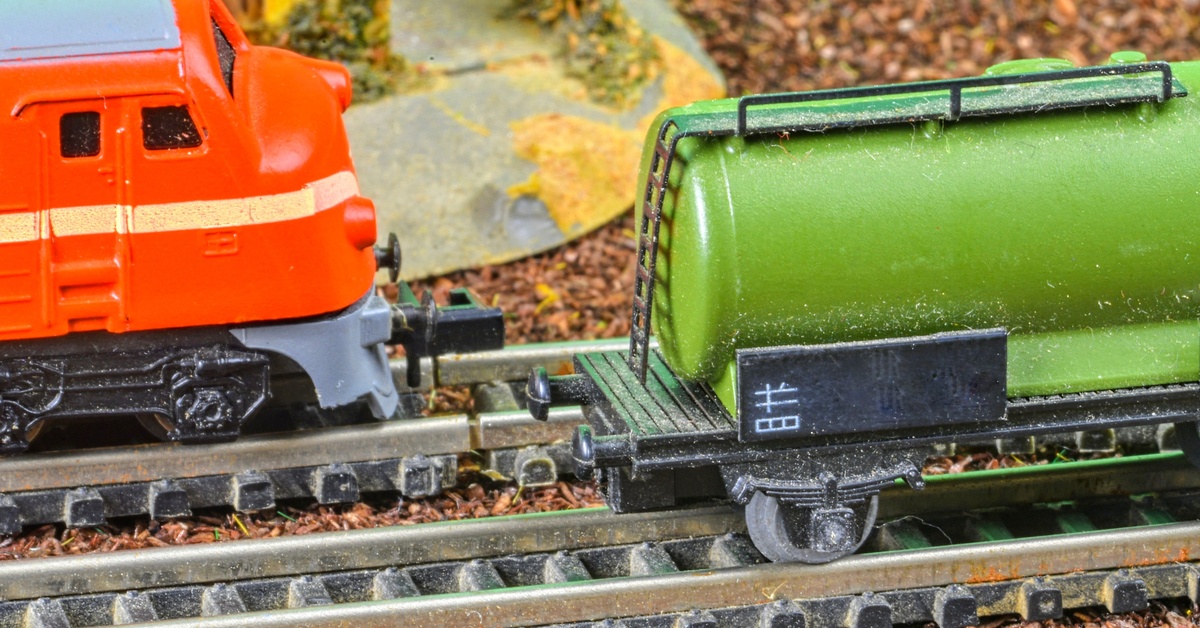
Learn how to clean and maintain G-scale train tracks for better performance, longer life, and smoother operation outdoors no matter what they might go through.
by Theodore Hust • April 28, 2026
G-scale trains run outdoors more often than smaller models, which means track care plays a major role in performance. Dirt, oxidation, moisture, and debris build up quickly and affect conductivity and smooth operation. Regular maintenance keeps trains running reliably and protects your investment.
Many hobbyists overlook track care until problems appear. Taking a proactive approach prevents issues and keeps your layout enjoyable year-round. Cleaning and taking care of your G-scale tracks is one of the everyday realities of being a G-scale train enthusiast.
Why Clean Track Matters for G-Scale Layouts
Clean track helps create consistent electrical flow between the rails and your locomotives. Poor conductivity causes stalling, flickering lights, and reduced performance.
Outdoor layouts face additional challenges. Rain, dust, leaves, and temperature swings all contribute to buildup on rails. Even indoor layouts collect dust over time.
Consistent cleaning improves both performance and longevity.
How Dirt and Oxidation Affect Performance
Rail surfaces develop oxidation when exposed to air and moisture. This layer acts as a barrier between the wheels and the track.
Dirt compounds the issue. Oils, pollen, and grime create uneven contact points. Trains may hesitate or stop entirely.
You will notice smoother operation immediately after proper cleaning.
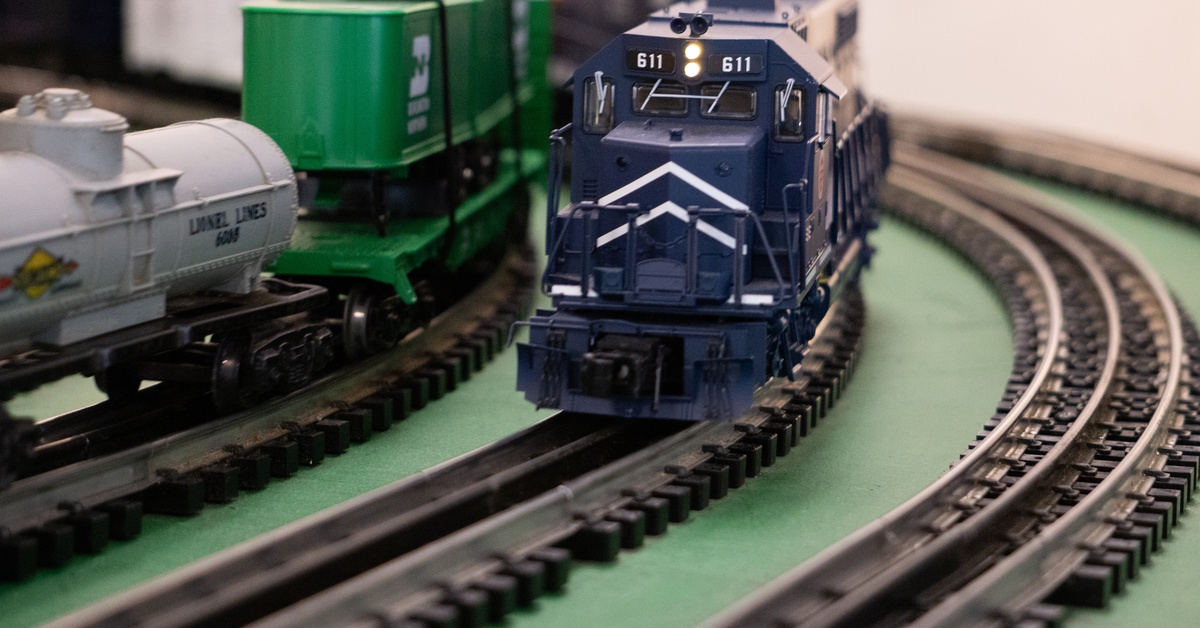
How Often You Should Clean Your Track
Cleaning frequency depends on your environment and usage.
Outdoor layouts need more frequent attention. Indoor setups require less frequent cleaning but still benefit from routine care.
A general schedule works well:
- Light cleaning: every 1–2 weeks
- Deep cleaning: monthly or as needed
- After storms or heavy debris: immediate attention
Consistent upkeep prevents heavy buildup.
Tools You Need for Effective Track Cleaning
You do not need complicated equipment to maintain your track. A few reliable tools handle most cleaning tasks.
Use tools that match your layout size and material. Brass, stainless steel, and nickel silver rails respond differently to cleaning methods.
Essential tools include:
- Soft cloths or microfiber towels
- Track cleaning blocks or pads
- Isopropyl alcohol (70% or higher)
- Soft-bristle brush
- Track cleaning cars (optional but helpful)
These tools allow you to clean efficiently without damaging rails.
Best Methods for Cleaning G-Scale Track
Different cleaning methods work for different levels of buildup. Start with the least aggressive approach and increase intensity only when needed.
Manual wiping works best for light dirt. Use a cloth with a small amount of isopropyl alcohol to remove residue.
For heavier buildup, use a track cleaning block. Apply light pressure and move along the rail surface evenly. Avoid excessive scrubbing. Too much abrasion can damage the rail surface.
When to Use Track Cleaning Blocks
Track cleaning blocks remove stubborn grime and oxidation effectively. They work well when standard wiping fails.
Use them sparingly. Overuse can create micro-scratches that attract more dirt over time.
Focus on problem areas instead of the entire layout. This targeted approach protects the track surface.
Using Track Cleaning Cars for Larger Layouts
Large layouts benefit from automated cleaning solutions. Track cleaning cars simplify maintenance and save time.
These cars attach to your train and clean rails as they move. They work well for routine upkeep between deeper cleanings.
They do not replace manual cleaning entirely. Combine both methods for the best results overall.
Managing Outdoor Debris and Weather Effects
Outdoor layouts face constant exposure to the elements. Leaves, dirt, and moisture accumulate quickly.
Regular inspection prevents buildup from becoming a problem. Remove debris before running trains.
Pay special attention after storms. Water can leave behind residue that affects conductivity. Make sure to keep nearby landscaping trimmed to reduce falling debris as well.
Preventing Rust and Corrosion on Rails
Moisture remains one of the biggest threats to track longevity. Proper drainage helps prevent standing water around rails.
Choose track materials wisely. Stainless steel resists corrosion better than brass, while brass conducts electricity well but requires more maintenance.
Apply a light protective oil if appropriate for your setup. Always test on a small section first to make sure no complications arise.
Cleaning Track Joints and Connections
Track joints often collect dirt and oxidation faster than straight sections. These connections play an important role in electrical continuity.
Inspect joints regularly. Tight connections improve performance and reduce voltage drops.
Clean joints carefully using a small brush or cloth. Be sure each connection fits securely after cleaning. Even small improvements in connections can significantly improve operation.
Special Care for G-Scale Straight Train Tracks
Straight sections often make up the majority of a layout, including areas with G-scale straight train tracks that experience constant wheel contact. These sections accumulate dirt evenly across long stretches.
Focus on consistent cleaning along the entire length. Uneven cleaning can create performance inconsistencies.
Use long, smooth motions when wiping or using a cleaning block. This technique maintains a uniform surface.
Seasonal Maintenance Tips for Outdoor Layouts
Seasonal changes affect track condition more than daily use. Adjust your maintenance routine throughout the year.
In spring, remove debris from winter buildup. Check for shifting or damage caused by freezing temperatures.
During summer, monitor dust and dry conditions. Clean more frequently if needed.
In fall, clear leaves regularly. In winter, reduce use or protect the layout if possible.
Adapting to seasons keeps your layout in top condition.
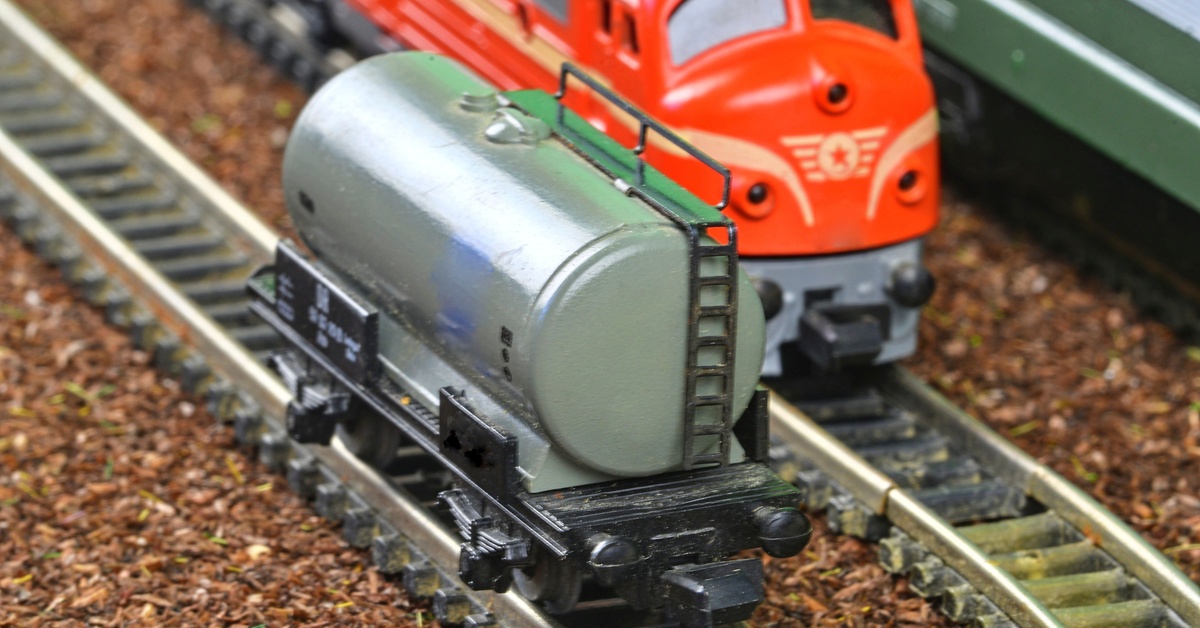
Signs Your Track Needs Immediate Cleaning
Certain performance issues signal that your track needs attention.
Watch for these signs:
- Locomotives stall or hesitate
- Lights flicker or dim
- Trains slow down unexpectedly
- Visible dirt or discoloration on rails
Address these issues quickly to prevent further problems.
Simple Habits That Keep Track Cleaner Longer
Preventative care reduces the need for frequent deep cleaning. Small habits make a noticeable difference.
Keep your layout covered when not in use. Limit exposure to dust and moisture. Run trains regularly. Movement helps prevent buildup on rails. Store rolling stock properly to avoid transferring dirt back onto the track. Consistency matters more than effort.
Keeping Your G-Scale Layout Running Smoothly
Track care forms the foundation of a reliable G-scale layout. Clean rails improve conductivity, reduce wear, and enhance the overall experience.
Simple tools and consistent routines make maintenance manageable. You do not need complicated processes to keep your track in excellent condition.
A well-maintained track allows you to focus on enjoying your trains instead of troubleshooting issues.
For high-quality track components, cleaning tools, and accessories, explore the selection available at Only Trains. A well-equipped setup supports better performance from day one.