Your Cart (0)

Why PIKO Steam Engines Appeal to G-Scale Collectors
by Theodore Hust • November 09, 2026
Steam locomotives hold a special place in model railroading. Their distinctive shapes, moving components, and connections to railroad history make them popular among hobbyists who appreciate traditional railway equipment. For G-scale collectors, steam engines offer an opportunity to enjoy these characteristics in a larger format.
PIKO steam engines attract collectors because they combine recognizable locomotive designs with practical operating features. Their size makes them appealing for detailed displays, while their construction supports regular use on compatible layouts. Whether someone wants to expand an established collection or explore steam-powered model railroading, PIKO offers several reasons to take a closer look.
Why Do PIKO Steam Engines Stand Out?
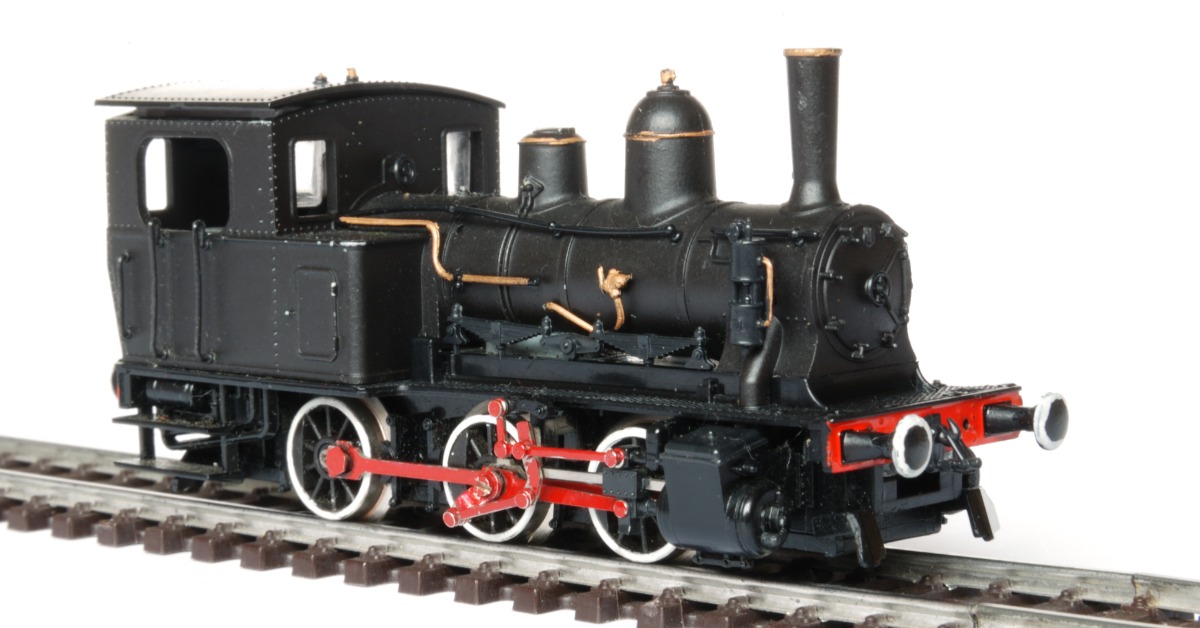
PIKO produces G-scale steam engines that capture the distinctive appearance of traditional steam locomotives. Their designs feature recognizable details such as smokestacks, boilers, driving wheels, and connecting rods.
These elements give each locomotive a strong visual presence. Collectors can appreciate the mechanical character of steam power without needing an elaborate layout to showcase it.
PIKO also offers models that suit different railroad themes. This variety helps hobbyists select engines that complement their existing equipment or inspire a new direction for their collections.
How Does G-Scale Size Enhance Their Appeal?
G-scale trains offer a larger viewing experience than many smaller model railroad scales. Their dimensions make locomotive details easier to see, especially during operation.
On a PIKO steam engine, collectors can observe the movement of the driving wheels and connecting rods as the locomotive travels along the track. These mechanical features contribute to the appeal of steam models.
The larger size also creates opportunities for attractive displays. Even a single locomotive can become a centerpiece on a shelf or dedicated section of track.
What Makes PIKO Steam Locomotives Visually Interesting?
Steam locomotives have distinctive proportions that separate them from diesel and electric models. Their rounded boilers, prominent smokestacks, and exposed running gear create an unmistakable appearance.
PIKO incorporates these recognizable characteristics into its G-scale steam models. Depending on the locomotive, collectors may find different wheel arrangements, cab designs, and decorative details.
These variations make individual engines interesting to compare. They also allow collectors to explore how locomotive appearances changed across different railroad applications and historical periods.
Why Does PIKO's Railroad Heritage Matter?
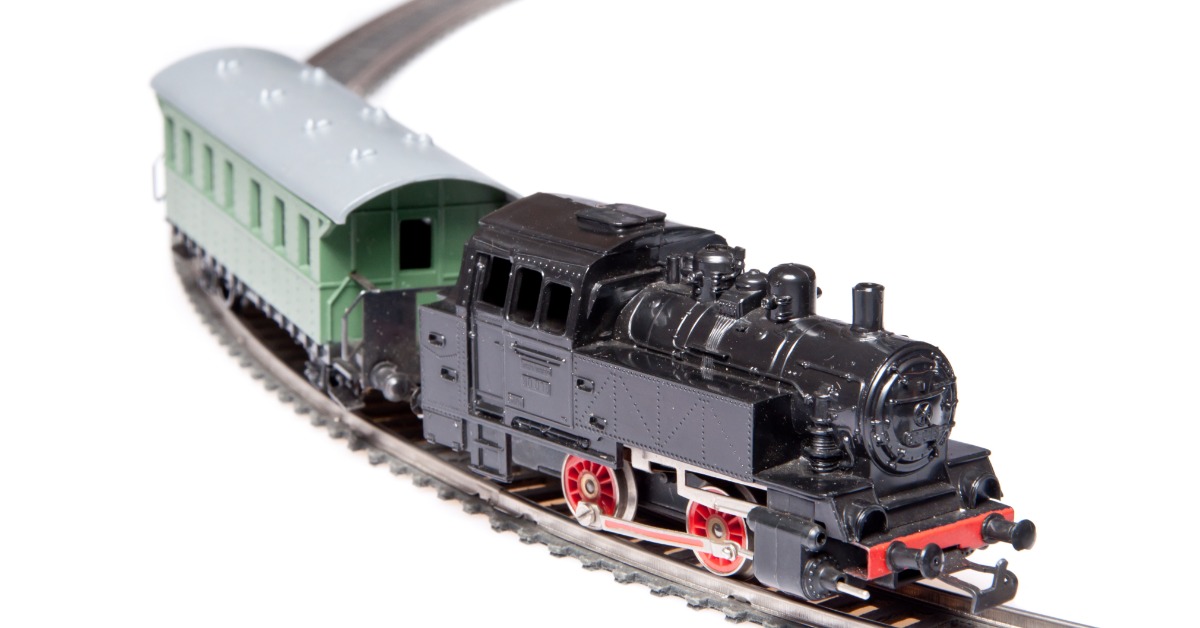
PIKO has a long history in model railroading, with roots in Germany dating back to the twentieth century. That background gives collectors a manufacturer with an established connection to the hobby.
The company produces models across several scales, including its popular G-scale range. Its continued involvement in model railroading provides a familiar name for hobbyists who follow established manufacturers.
For collectors, manufacturer history adds context to the equipment they purchase. It also encourages interest in how particular models fit into the broader development of model trains.
How Do PIKO Steam Engines Support Outdoor Railroading?
Many G-scale enthusiasts enjoy operating their trains in garden railway settings. PIKO designs its G-scale equipment with this style of railroading in mind.
The larger locomotives create a convincing appearance as they travel through landscaped surroundings. Garden railways can incorporate miniature buildings, bridges, and natural scenery to establish a realistic setting.
Outdoor operation still requires proper maintenance. Collectors should keep tracks clean, protect electrical connections, and follow manufacturer recommendations for their specific locomotives.
Why Is Mechanical Movement Important to Collectors?
Steam locomotives attract attention because their running gear creates visible movement. As the driving wheels turn, connecting rods move alongside them, providing an engaging representation of traditional locomotive mechanics.
This movement gives collectors something interesting to watch beyond the locomotive's progress around the layout. It also highlights the engineering principles that helped steam engines operate.
PIKO steam models bring these mechanical characteristics into a manageable hobby format. Their moving components help explain why many enthusiasts continue to favor steam designs.
What Operating Features Can PIKO Steam Engines Offer?
Different PIKO steam locomotives provide different operating capabilities. Depending on the model and configuration, collectors may find features such as:
- Directional lighting for added operating realism
- Sound capabilities on select equipped models
- Smoke effects on compatible models
- Digital control options for expanded operation
- Detailed running gear that moves during travel
Not every locomotive includes these features as standard equipment. Collectors should review individual product specifications before purchasing, particularly when considering digital systems or additional accessories.
How Do PIKO Steam Engines Fit Different Collections?
Some hobbyists organize their collections around specific manufacturers. Others concentrate on locomotive types, railroad themes, or particular historical periods.
PIKO steam engines can support several collecting approaches. Their designs allow enthusiasts to explore traditional steam railroading while maintaining a consistent G-scale format.
Collectors who already own PIKO equipment may appreciate adding another locomotive from the same manufacturer. Those with mixed-brand collections can also consider PIKO models when expanding their roster, provided they verify compatibility.
Why Do Collectors Appreciate Their Display Potential?
A steam locomotive does not need to run continuously to provide enjoyment. Many collectors appreciate the appearance of their models while they rest on display tracks.
PIKO steam engines offer substantial visual interest through their boilers, wheel arrangements, and locomotive profiles. These characteristics make them suitable for display cabinets or dedicated railroad shelves.
Collectors can also pair locomotives with appropriate rolling stock. A coordinated arrangement helps communicate the type of railway service the engine represents.
How Does Layout Compatibility Influence Their Popularity?
Compatibility matters when collectors purchase additional locomotives. Track geometry, electrical requirements, and available clearance can affect whether a model works with an existing railway.
PIKO G-scale locomotives generally use 45 mm gauge track, a common standard among garden railway manufacturers. However, shared track gauge does not guarantee complete compatibility.
Collectors should check minimum curve requirements, power systems, and control equipment before choosing a locomotive. These considerations become particularly important when combining equipment from different manufacturers.
Why Are PIKO Steam Engines Interesting for Beginners?
Beginning collectors often want locomotives that offer an enjoyable introduction to the hobby. PIKO steam engines provide recognizable designs that make it easy to explore traditional railway equipment.
New hobbyists can start by learning about basic locomotive operation, track maintenance, and appropriate power supplies. They can gradually develop their understanding of more advanced features.
The availability of different PIKO locomotives also creates opportunities for future expansion. Beginners can build their collections according to their interests rather than following a single predetermined theme.

How Do PIKO Steam Engines Encourage Layout Creativity?
Steam locomotives can help establish the character of a model railroad. A small engine might suit a compact branch line, while a larger locomotive can suggest a busier railway operation.
Collectors can develop scenery around the locomotive they choose. Stations, freight facilities, and engine servicing areas all provide opportunities to create believable railway environments.
PIKO steam engines can serve as starting points for these projects. Their traditional appearance encourages layouts that reflect the atmosphere of earlier railroad operations.
What Should Collectors Consider Before Buying?
Choosing a PIKO steam engine involves more than selecting an attractive design. Collectors should consider how they plan to use the locomotive and whether it suits their existing equipment.
Available space plays an important role. Larger locomotives may require broader curves or additional clearance around structures.
Buyers should also compare operating features and maintenance requirements. Reviewing the manufacturer's specifications helps ensure that the selected model meets expectations.
Why Do PIKO Steam Engines Remain Appealing?
PIKO steam engines combine the recognizable character of steam railroading with the visual advantages of G-scale modeling. Their mechanical movement and varied designs give collectors several ways to enjoy them.
They also accommodate different interests, from operating garden railways to building carefully arranged displays. This flexibility makes them worth considering for both newer hobbyists and experienced collectors.
Only Trains offers a selection of PIKO locomotives for enthusiasts interested in expanding their G-scale collections. Explore the available models to find a steam engine that complements your railway and reflects your collecting interests.