Your Cart (0)

Common Misconceptions About G-Scale Trains
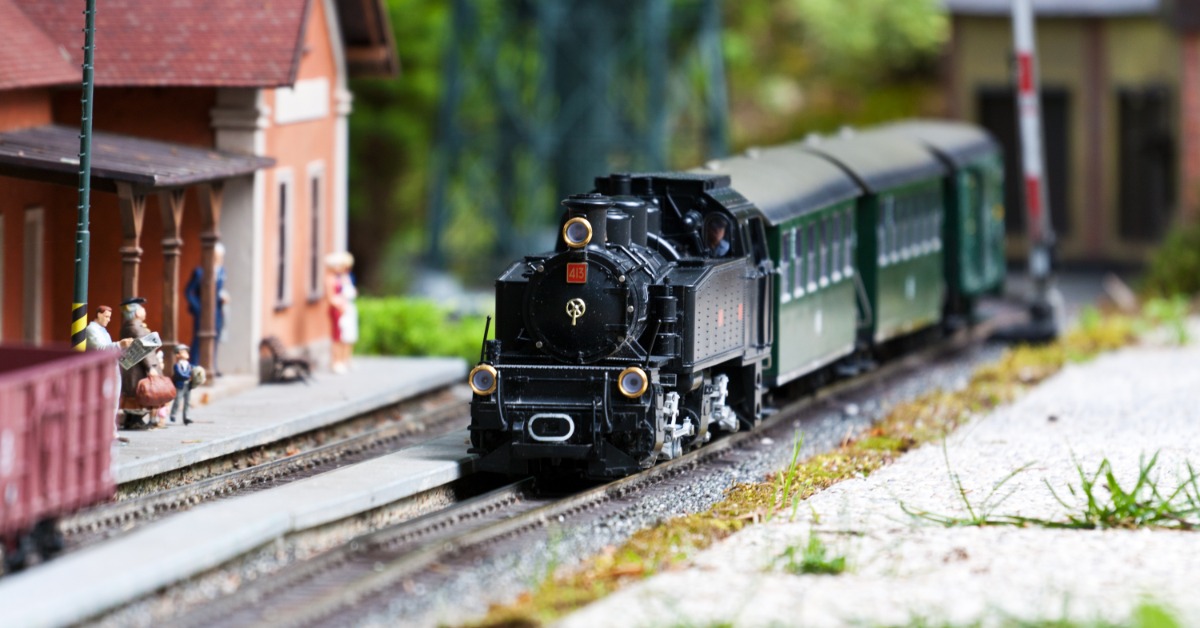
Discover the truth behind common misconceptions about G-scale trains, from space requirements to maintenance, compatibility, and beginner-friendly features.
by Theodore Hust • July 29, 2026
G-scale trains have attracted hobbyists for decades because of their impressive size, realistic details, and ability to run both indoors and outdoors. Even with their popularity, many people still misunderstand what G-scale trains offer. These misconceptions often discourage newcomers from exploring the hobby or cause experienced modelers to overlook options that could improve their layouts.
The truth is that G-scale railroading offers flexibility, durability, and enjoyment for hobbyists with many different interests and skill levels. Whether someone wants to build an elaborate outdoor railroad or display a simple indoor layout, G-scale provides plenty of opportunities. Understanding the facts behind the most common myths helps hobbyists make informed decisions and enjoy the hobby with greater confidence.
Are G-Scale Trains Only for Outdoor Railways?
Many people believe G-scale trains belong exclusively in garden railways. While outdoor layouts remain one of the scale's biggest attractions, they represent only one option.
Many hobbyists build impressive indoor layouts using G-scale equipment. The larger size makes scenery, structures, and rolling stock easier to handle than smaller scales. People with limited dexterity often appreciate the larger components because they simplify maintenance and operation.
Indoor layouts also allow year-round operation regardless of weather conditions. Hobbyists who prefer climate-controlled environments often choose G-scale for exactly that reason.
Does G-Scale Mean Every Train Uses the Same Scale?
One of the most confusing aspects of G-scale involves the relationship between scale and track gauge. Many assume every G-scale locomotive and car uses identical proportions.
In reality, manufacturers produce equipment in several different scales while using the same 45 mm track gauge. Depending on the prototype, models may appear in scales such as 1:20.3, 1:22.5, 1:24, 1:29, or 1:32.
This variety allows manufacturers to accurately represent different real-world railroads while maintaining compatibility with the same track.
Are G-Scale Trains Too Expensive for Beginners?
The larger size of G-scale trains sometimes leads people to believe they require enormous budgets. While premium models certainly exist, newcomers can enter the hobby without spending a fortune.
Starter sets provide an affordable introduction that includes a locomotive, cars, track, and power supply. These packages let beginners learn basic operation before expanding their collections.
Many hobbyists also purchase quality pre-owned equipment. Since G-scale products often remain durable for many years, previously owned models can deliver excellent value when purchased from reputable dealers.
Do You Need a Huge Yard?
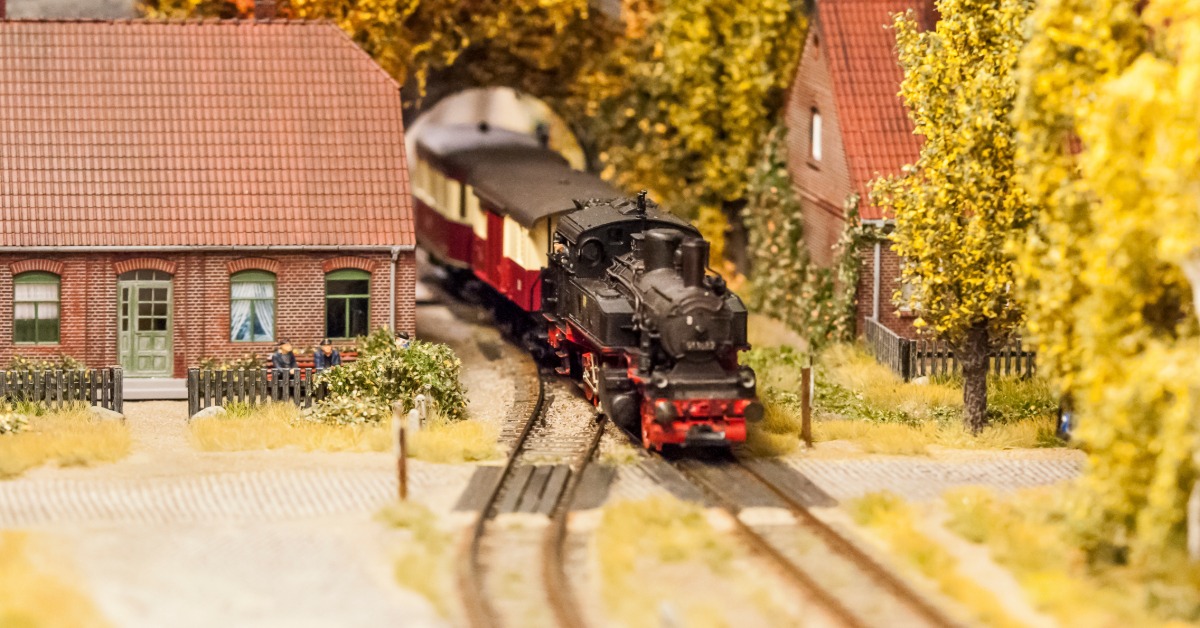
People often picture massive garden railways stretching across large landscapes. That image creates the impression that only homeowners with extensive property can enjoy G-scale trains.
Small gardens work well for compact layouts. Many enthusiasts design railroads that wind through flower beds, patios, or landscaped corners.
Apartment dwellers and homeowners with limited outdoor space also build tabletop layouts indoors. Modular layouts allow hobbyists to assemble sections when they want to operate and store them afterward.
Space limitations rarely prevent someone from enjoying G-scale railroading.
Are G-Scale Trains Difficult to Maintain?
Some newcomers assume larger trains require constant maintenance. While every model railroad benefits from routine care, G-scale equipment often proves surprisingly easy to maintain.
The larger components simplify cleaning and inspection. Wheels, couplers, and electrical pickups remain easy to reach without specialized tools.
Outdoor layouts require periodic track cleaning because weather introduces dirt, pollen, and debris. Indoor layouts generally require even less maintenance.
Regular care includes:
- Cleaning track surfaces
- Inspecting wheelsets
- Removing leaves or debris
- Checking electrical connections
- Lubricating moving parts according to manufacturer recommendations
Simple maintenance routines help equipment perform reliably for many years.
Are G-Scale Trains Only for Experienced Hobbyists?
Some people believe G-scale railroading requires advanced technical skills before anyone can begin. That misconception discourages many potential hobbyists.
Modern starter sets simplify setup considerably. Many systems allow users to assemble track and begin running trains within a short time.
As hobbyists gain confidence, they can gradually add scenery, structures, lighting, sound systems, or digital controls. The hobby grows alongside the owner's experience rather than demanding expert knowledge from day one.
Do Larger Trains Mean Less Detail?
Another common myth suggests that manufacturers sacrifice realism because G-scale equipment focuses on size.
In fact, the opposite often proves true. The larger dimensions allow manufacturers to include impressive details that become difficult to reproduce in smaller scales.
Many locomotives feature individually applied handrails, detailed cabs, realistic piping, operating lights, and authentic paint schemes. Passenger cars and freight equipment often include intricate interiors and finely molded components that enhance realism.
Are All G-Scale Products Compatible?
Compatibility creates understandable confusion for many buyers. Since multiple manufacturers produce G-scale equipment, some assume everything works together perfectly.
Most equipment operates on the same 45 mm track, but compatibility depends on several factors. Coupler styles, wheel standards, control systems, and scale proportions may differ among manufacturers.
Before purchasing new equipment, hobbyists should verify compatibility with their existing layout. Retailers that specialize in G-scale products often help customers select equipment that works well together.
Is Digital Control Too Complicated?
Digital Command Control and other advanced operating systems sometimes appear intimidating. Many people believe these technologies require professional installation or extensive programming knowledge.
Modern control systems have become much more user-friendly. Many manufacturers provide straightforward instructions and intuitive handheld controllers.
Some systems even allow wireless operation through smartphones or dedicated controllers. Beginners can start with traditional analog power and upgrade later if they choose.
The flexibility allows hobbyists to expand their layouts at a comfortable pace.
Are Garden Railways Constantly Damaged by Weather?
Outdoor railroads naturally encounter rain, sunlight, snow, and changing temperatures. Because of this exposure, some people assume outdoor layouts deteriorate quickly.
Manufacturers design most outdoor G-scale products with weather resistance in mind. UV-resistant plastics, durable metals, and corrosion-resistant materials help equipment withstand outdoor conditions.
Proper installation also improves longevity. Good drainage, stable track foundations, and periodic inspections protect layouts from seasonal changes.
Many garden railways continue operating successfully for decades with consistent maintenance.
Are G-Scale Trains Just for Children?
The larger size sometimes leads people to mistake G-scale trains for oversized toys. While children certainly enjoy operating them, the hobby appeals strongly to adults.
Many collectors focus on historical accuracy, realistic operations, detailed landscaping, and authentic railroad practices. Building a convincing railroad involves planning, craftsmanship, creativity, and ongoing learning.
The hobby attracts retirees, lifelong railroad enthusiasts, gardeners, photographers, and model builders alike. Families also enjoy operating layouts together, making G-scale an activity that spans multiple generations.
Does Every Collection Need to Grow Into a Massive Railroad?
Some newcomers hesitate because they assume every hobbyist eventually builds an enormous layout.
There is no single "correct" way to enjoy G-scale trains. Some collectors focus on a favorite railroad or historical period. Others enjoy seasonal displays around holidays or operate compact switching layouts.
Many hobbyists simply appreciate collecting locomotives or rolling stock without constructing an elaborate railroad.
The hobby adapts to individual interests rather than forcing everyone toward the same destination.
Choosing Equipment That Matches Your Interests
As hobbyists move beyond starter sets, they discover an impressive range of manufacturers and product lines. Some emphasize historical accuracy, while others focus on durability or beginner-friendly operation.
For example, PIKO train sets have become popular with newcomers because they provide reliable operation and straightforward setup while offering room for future expansion. As collections grow, hobbyists can add additional locomotives, rolling stock, structures, and accessories that reflect their personal interests.
Selecting equipment based on operating style, available space, and desired level of realism often leads to greater long-term satisfaction than simply purchasing the largest or most expensive models.
Understanding the Facts Makes the Hobby More Enjoyable
Misconceptions often prevent people from discovering everything G-scale trains have to offer. Many assume the hobby requires unlimited space, extensive technical knowledge, or a significant financial investment. In reality, G-scale accommodates beginners and experienced hobbyists alike through flexible layouts, durable equipment, and countless opportunities for creativity.
Whether someone dreams of building a scenic garden railway or a detailed indoor railroad, G-scale provides options that fit many budgets, skill levels, and available spaces. Learning the facts behind these common myths helps hobbyists make confident decisions, enjoy realistic operations, and build layouts that continue providing satisfaction for years.