Your Cart (0)

Essential Tips for a Weatherproof Garden Railway
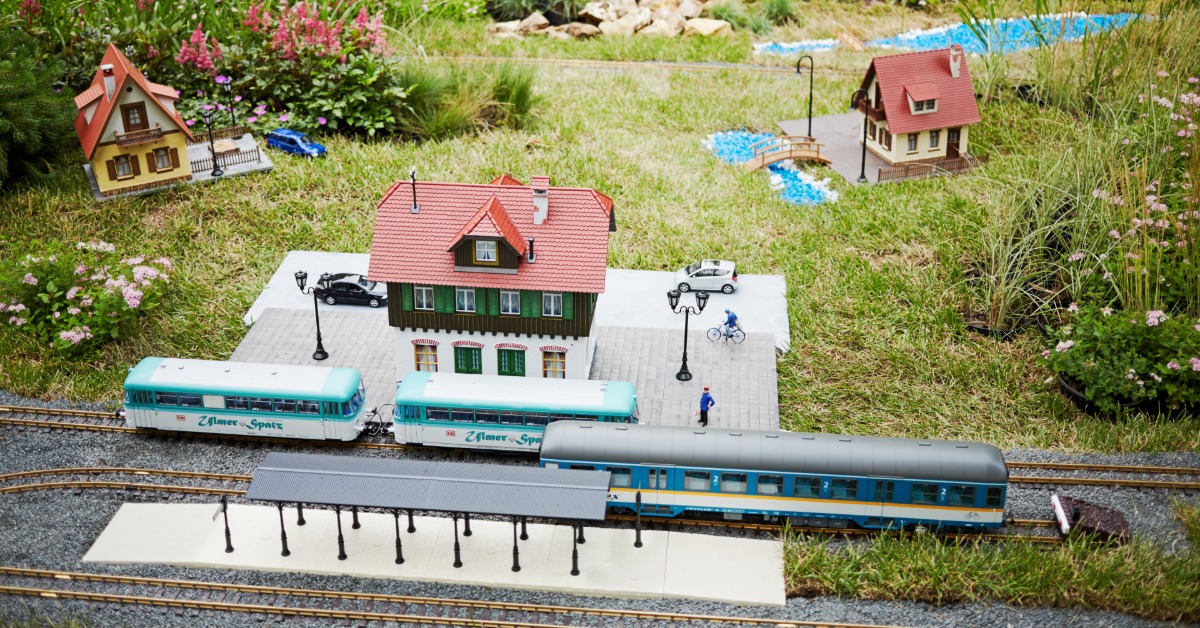
Learn essential weatherproofing tips to protect your garden railway from rain, sun, wind, and seasonal wear for reliable year-round operation.
by Theodore Hust • July 15, 2026
A garden railway combines model railroading with outdoor landscaping, creating a display that changes with the seasons. While outdoor operation offers unique opportunities, weather can affect track performance, rolling stock, structures, and scenery. Rain, sunlight, wind, snow, and temperature changes all place stress on a railway that operates outside year-round.
Building a weatherproof garden railway does not require complicated solutions. Careful planning, durable materials, and regular maintenance can help protect your investment and keep trains running smoothly. Whether you are building a new layout or improving an existing one, understanding how weather impacts your railway can lead to better long-term results.
Start With a Well-Drained Foundation
A strong foundation helps every part of a garden railway perform better. Water creates many outdoor railway problems, including shifting track, erosion, and unstable structures.
Before laying track, evaluate how water moves through your yard. Avoid low spots where water collects after heavy rain. If necessary, add drainage channels, gravel beds, or slight grading to direct water away from the railway.
Crushed stone often works well beneath track because it allows water to drain while providing a stable base. A solid foundation reduces maintenance and helps preserve track alignment throughout the year.
Choose Weather-Resistant Track Materials
Track serves as the backbone of any garden railway. Outdoor conditions demand materials that can withstand moisture, temperature fluctuations, and sunlight.
Brass track remains popular because it resists corrosion and conducts electricity reliably. Stainless steel offers even greater resistance to weather and requires less cleaning in many environments. Aluminum track provides another option for certain layouts.
When selecting track, consider your climate and maintenance preferences. Higher-quality materials often deliver better long-term performance outdoors.
Allow for Expansion and Contraction
Temperature changes cause track materials to expand and contract. Ignoring this natural movement can lead to warped track sections, misaligned joints, and operational issues.
Leave small expansion gaps between track sections according to manufacturer recommendations. These gaps provide room for movement during seasonal temperature changes.
Regular inspections help identify areas where expansion may create stress. Addressing small issues early can prevent larger repairs later.
Protect Electrical Connections
Outdoor environments expose electrical connections to moisture, dirt, and corrosion. Poor connections often lead to inconsistent locomotive performance and frustrating operating sessions.
Use weather-resistant connectors whenever possible. Apply dielectric grease to exposed connections to help reduce corrosion. Seal vulnerable wiring areas and elevate electrical components above ground level when practical.
Many hobbyists also install multiple power feeders throughout a layout. Additional feeders improve electrical reliability and reduce dependence on individual rail joints.
Select Durable Structures and Accessories
Buildings, bridges, and decorative elements contribute to the character of a garden railway. Outdoor exposure makes material selection especially important.
Look for structures made from weather-resistant plastics, treated wood, resin, or other durable materials. Products designed specifically for outdoor use typically withstand moisture and ultraviolet exposure better than indoor accessories.
Even durable structures benefit from occasional inspections. Repairing minor damage quickly helps extend the life of scenery components.
Manage Sun Exposure
Sunlight presents challenges that many hobbyists underestimate. Ultraviolet rays can fade paint, weaken plastic materials, and shorten the lifespan of certain accessories.
Position portions of the railway where natural shade offers protection during the hottest parts of the day. Trees, shrubs, pergolas, and other landscaping elements can provide beneficial coverage.
UV-resistant paints and finishes add another layer of protection. Reapplying protective coatings periodically helps maintain appearance and durability.
Use Plants Strategically
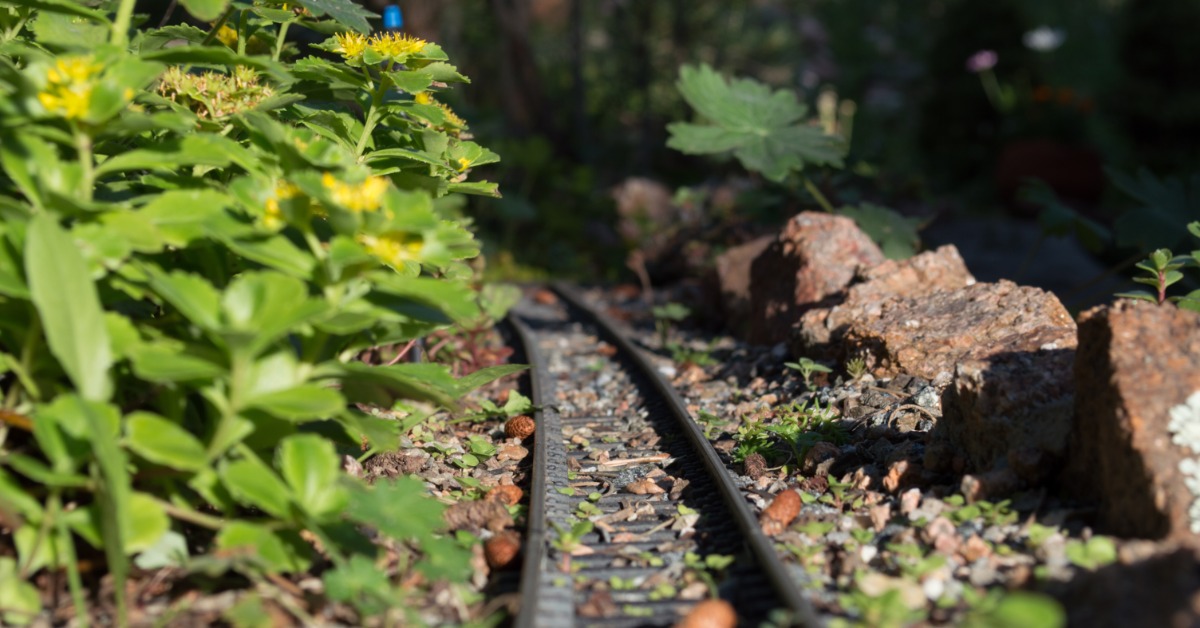
Landscaping serves both aesthetic and practical purposes in a weatherproof garden railway. The right plants can stabilize soil, reduce erosion, and create natural windbreaks.
Choose slow-growing varieties that complement the scale of the railway. Ground covers often help prevent soil displacement during heavy rain while adding realistic scenery.
Consider these landscaping benefits:
- Reduce soil erosion
- Improve drainage control
- Create natural wind barriers
- Provide seasonal visual interest
- Help moderate ground temperatures
Regular pruning prevents plants from interfering with train operations while maintaining a realistic appearance.
Prepare for Heavy Rainfall
Rain represents one of the most common weather challenges for outdoor layouts. Even well-built railways require preparation for severe storms.
Inspect drainage systems before rainy seasons begin. Clear debris from culverts, drainage channels, and low-lying areas. Check retaining walls and embankments for signs of erosion.
After significant rainfall, walk the layout and look for washouts, shifted track, or standing water. Early detection allows for quick corrections before additional weather causes further damage.
Protect Trains During Extreme Weather
Although many outdoor railways remain exposed year-round, locomotives and rolling stock benefit from protection when not in use.
Store valuable equipment indoors whenever possible. Covered storage areas help shield trains from rain, snow, direct sunlight, and temperature extremes.
Many hobbyists remove locomotives after operating sessions and leave only track and fixed structures outdoors. This simple habit can significantly extend the lifespan of equipment.
Owners of premium models, including LGB G-scale trains, often find that indoor storage helps preserve appearance and operating reliability over many years.
Plan for Winter Conditions
Winter weather introduces unique challenges for garden railways in colder climates. Snow, ice, and freeze-thaw cycles can affect both track and scenery.
Remove leaves and debris before winter arrives. Organic material can trap moisture and contribute to damage during freezing temperatures.
Inspect foundations and drainage systems in autumn. Proper drainage becomes especially important when frozen ground limits water movement.
Some hobbyists continue operating trains during winter, while others pause operations until spring. Either approach benefits from proactive seasonal preparation.
Secure Structures Against Wind
Strong winds can damage lightweight structures, move scenery elements, and scatter accessories throughout the yard.
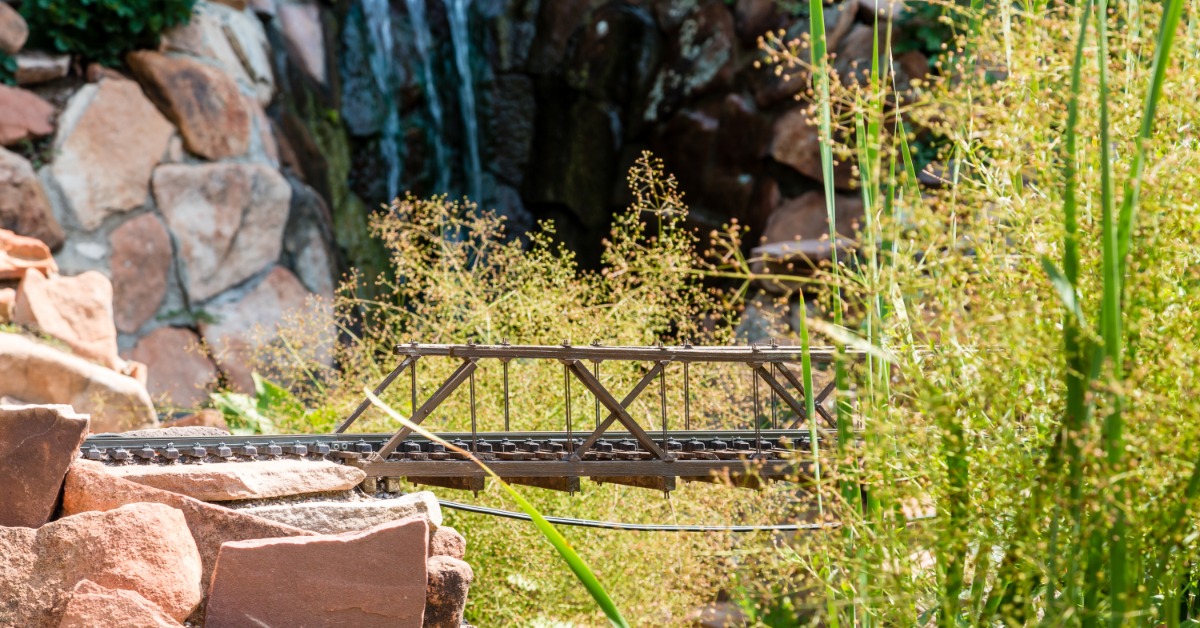
Anchor larger buildings and bridges securely. Evaluate decorative elements that could become airborne during storms.
Wind protection can also come from strategic landscaping. Hedges, fences, and shrubs often reduce exposure while enhancing the overall appearance of the railway.
Areas that experience frequent storms may require additional reinforcement for structures and elevated features.
Establish a Regular Inspection Schedule
Weatherproofing works best as an ongoing process rather than a one-time project. Routine inspections help identify developing problems before they become costly repairs.
Walk the layout regularly and examine:
- Track alignment
- Electrical connections
- Drainage systems
- Structural integrity
- Vegetation growth
- Signs of erosion
Consistent attention keeps small issues manageable and supports reliable operation throughout the year.
Balance Durability and Realism
Many hobbyists strive to create realistic outdoor scenes while ensuring long-term durability. Fortunately, weatherproofing does not require sacrificing visual appeal.
Modern materials allow builders to create convincing landscapes, structures, and operational features that withstand outdoor exposure. Thoughtful design choices often improve both appearance and resilience.
A successful garden railway blends functionality with realism. Strong foundations, quality materials, and smart maintenance practices create a layout that looks impressive and performs reliably through changing seasons.
Long-Term Success Comes From Preparation
A weatherproof garden railway begins with careful planning and continues through regular maintenance. Every decision, from drainage design to material selection, influences how well the layout handles outdoor conditions.
Rain, sunlight, wind, and temperature fluctuations will always affect an outdoor railway. However, proactive preparation can minimize their impact and protect your investment. With a stable foundation, weather-resistant materials, proper drainage, and routine inspections, a garden railway can provide years of enjoyable operation while maintaining its appearance through every season.