Your Cart (0)

How To Mix Freight and Passenger Cars for Realism
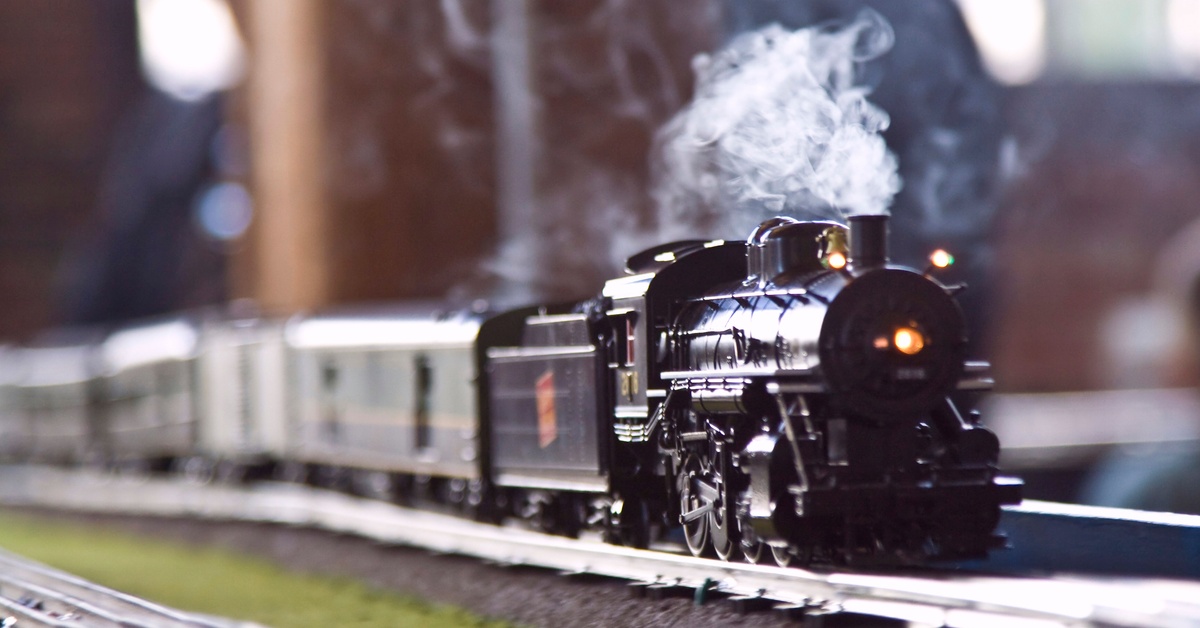
Discover realistic ways to combine freight and passenger cars on your G-scale layout for more authentic operations and visually balanced trains.
by Theodore Hust • July 02, 2026
Creating a realistic G-scale train layout takes more than placing tracks and running locomotives. The way you combine freight and passenger cars also shapes how authentic your railroad looks and feels. Real railroads follow operational patterns, regional needs, and historical practices when they build trains. Model railroaders can recreate those same details to make layouts look more believable and engaging.
Many hobbyists focus heavily on locomotives while overlooking train composition. Yet the arrangement of freight and passenger equipment often creates the strongest sense of realism. Mixed consists, local trains, excursion runs, and transition-era railroads all offer opportunities to combine different car types naturally.
Understanding why railroads mixed equipment in the real world helps you make smarter layout decisions. Whether you operate a modern freight line or a vintage branch route, realistic train combinations add depth and visual interest to your railroad.
Understand the Purpose of Each Train
Realism starts with understanding why a train exists. Freight trains move goods. Passenger trains transport people. Some railroads historically combined both functions into mixed trains, especially on rural branch lines.
A train’s purpose determines which cars belong together. A long freight consist hauling lumber and coal would not usually include streamlined passenger coaches. Meanwhile, a scenic excursion train would rarely pull heavy industrial freight cars.
When you build a consist, think about what the railroad needs to accomplish. This simple mindset instantly improves realism.
Learn About Mixed Trains in Railroad History
Mixed trains played an important role in railroad history, particularly in rural North America. Smaller railroads often lacked enough traffic to justify separate freight and passenger service. Instead, one locomotive hauled both freight cars and passenger coaches along the same route.
These trains usually placed passenger cars near the rear for safety and comfort. Freight cars carrying livestock or messy cargo often stayed farther from the passenger section.
Modeling mixed trains works especially well for hobbyists who enjoy branch-line operations. The arrangement creates visual variety while staying historically accurate.
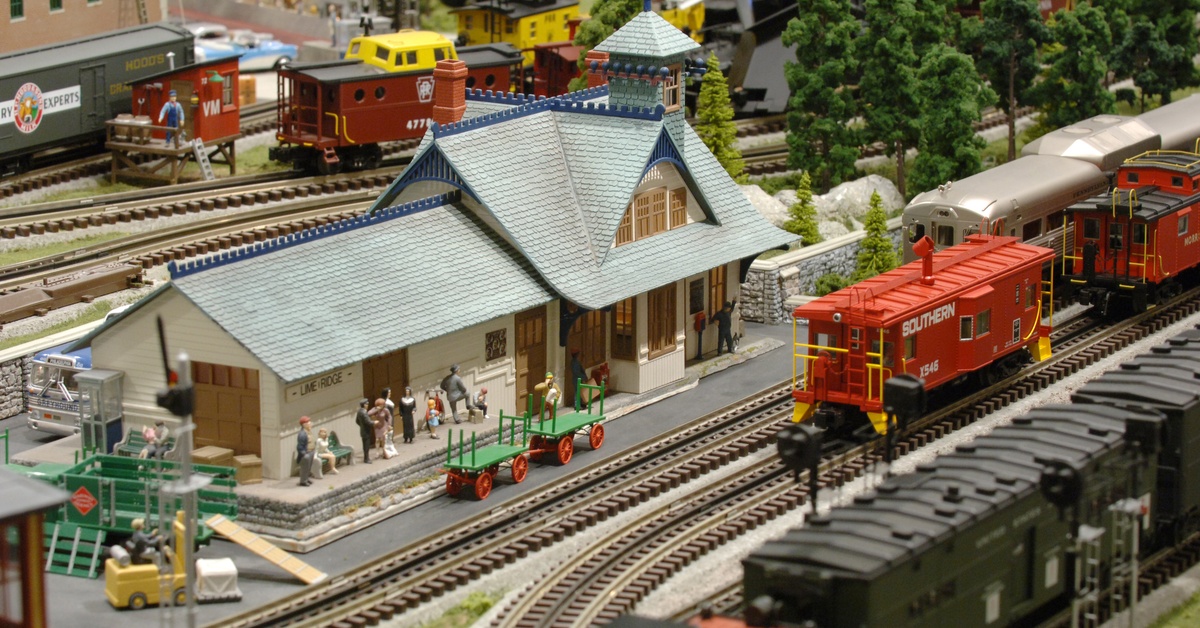
Match Cars to the Railroad Era
Railroad equipment changed dramatically over the decades. Matching freight and passenger cars to the same era keeps your layout believable.
Wooden passenger coaches pair naturally with older freight equipment from the late steam era. Stainless steel streamliners fit better alongside modern diesel locomotives and contemporary rolling stock.
Mixing equipment from wildly different decades can make a layout feel inconsistent. A 1940s steam locomotive hauling modern intermodal containers creates confusion unless you intentionally model a museum or excursion operation.
Choosing a clear time period helps narrow your equipment choices and strengthens the realism of every train.
Use Regional Logic for Train Consists
Different regions produced different traffic patterns. Railroads in farming communities hauled grain, livestock, and agricultural products. Mountain railroads moved timber and mining supplies. Coastal railroads handled ports, fishing industries, and container traffic.
Passenger service also reflected regional needs. Tourist routes often used scenic observation cars, while commuter railroads emphasized practical passenger coaches.
When your train reflects the industries and geography around it, the entire layout feels more authentic. Regional consistency gives purpose to both freight and passenger equipment.
Balance Train Lengths Carefully
Train length affects realism just as much as car selection. Many hobbyists overload layouts with trains that look too long for the available space.
Short branch-line trains often look more realistic on home layouts than massive mainline consists. A locomotive pulling three freight cars and a passenger coach may resemble an actual rural mixed train far better than a twenty-car train squeezing through tight curves.
Passenger trains also benefit from proportional lengths. A short local passenger train behind a small steam locomotive can look extremely convincing in G scale.
Careful train sizing helps operations feel natural instead of crowded.
Place Cars in Logical Order
Car placement matters on real railroads, and it matters on model layouts too. Railroads organize trains for safety, efficiency, and operational convenience.
Passenger cars generally stay separated from hazardous freight loads. Cabooses traditionally rode at the end of freight trains. Refrigerator cars often appeared near agricultural traffic. Mail and baggage cars usually sat near the front of passenger trains.
Following basic car-order logic improves realism immediately. Even casual viewers notice when trains look organized naturally.
Here are a few simple consist principles:
- Place passenger cars toward the rear in mixed trains
- Keep hazardous freight away from passenger equipment
- Position cabooses at the end of freight trains
- Group similar freight cars together when appropriate
- Match specialty cars to nearby industries on the layout
One well-planned consist often looks more realistic than several randomly assembled trains.
Add Operational Variety to Your Layout
Real railroads rarely ran identical trains every day. Freight demand changed constantly, and passenger service evolved with schedules and seasons.
Changing your G-scale train cars consists regularly creates a more believable railroad. One operating session may feature a freight-heavy local run. Another may emphasize passenger service during a special event or tourist season.
You can also rotate cars based on industries served along the route. Logging camps may produce extra lumber traffic one day, while livestock shipments dominate another.
Operational variety keeps layouts visually fresh while reflecting how railroads actually worked.
Use Transition-Era Railroading for More Flexibility
The transition era offers some of the best opportunities for mixing freight and passenger equipment realistically. During the late 1940s through early 1960s, steam and diesel locomotives operated together while railroads modernized their fleets.
Many railroads still ran mixed trains during this period, especially on branch lines. Passenger service declined in some areas while freight traffic remained strong. This combination created interesting train compositions that hobbyists can recreate convincingly.
The transition era also allows broader equipment variety without sacrificing realism. Older freight cars often operated alongside newer passenger equipment and diesel locomotives.
For many model railroaders, this era creates the perfect balance between flexibility and authenticity.
Think About Railroad Economics
Railroads operated as businesses, so economics influenced train composition. Railroads combined services whenever possible to save fuel, labor, and maintenance costs.
A lightly traveled rural route might use a mixed train because passenger demand alone could not support a dedicated run. Freight traffic often subsidized passenger operations.
Understanding railroad economics helps explain why certain train combinations existed historically. It also gives your layout a stronger operational story.
When trains appear financially practical, they feel more believable to viewers and operators alike.
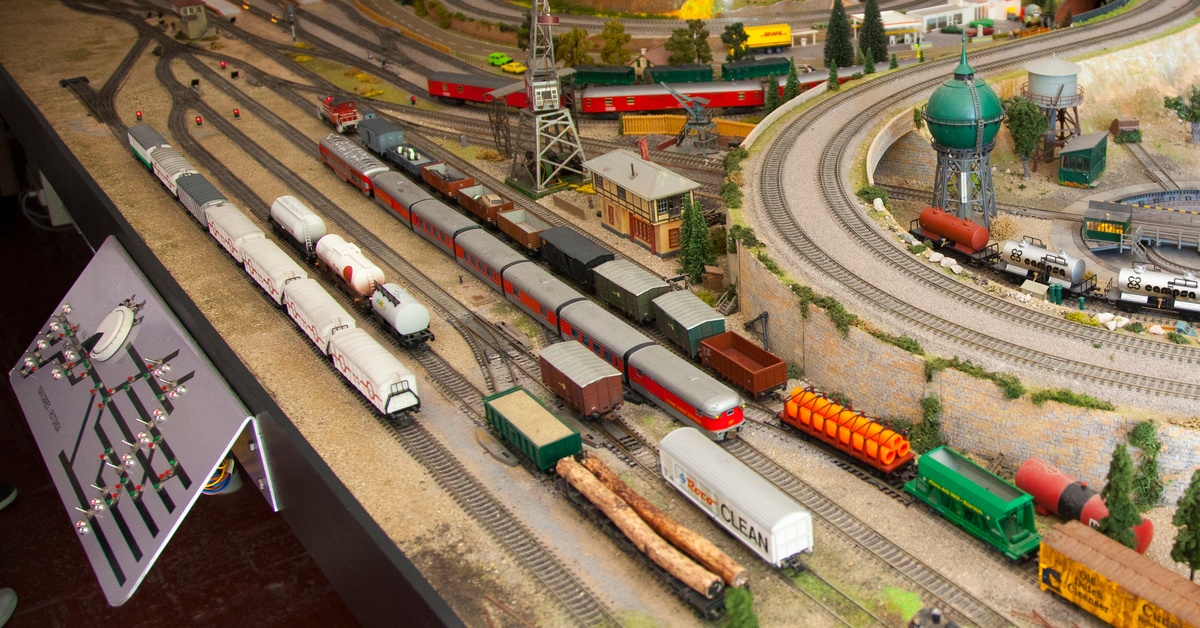
Coordinate Paint Schemes and Weathering
Consistent appearance helps trains look cohesive. Freight and passenger cars from the same railroad often shared similar paint styles, logos, and weathering patterns.
A heavily weathered freight consist paired with spotless passenger coaches may look disconnected unless you intentionally model freshly repainted equipment. Similarly, mixing too many unrelated railroad paint schemes can make trains appear random.
Subtle weathering also improves realism dramatically. Real trains accumulate dirt, rust, and fading over time.
Even small touches like dusty wheels or faded lettering help trains look more authentic without overwhelming the layout.
Make Your Layout Feel Alive
Realism does not require perfect historical accuracy. Instead, it comes from creating believable railroad activity. Trains should appear as though they serve real communities, industries, and passengers.
Thoughtful train composition helps layouts feel alive. Freight traffic supports local businesses. Passenger coaches connect towns and travelers. Mixed trains reflect practical railroad operations.
The most realistic layouts tell a story through movement and purpose. Carefully mixing freight and passenger cars helps create that story in a natural and visually satisfying way.