Your Cart (0)

Essential Tools Every G-Scale Hobbyist Should Have
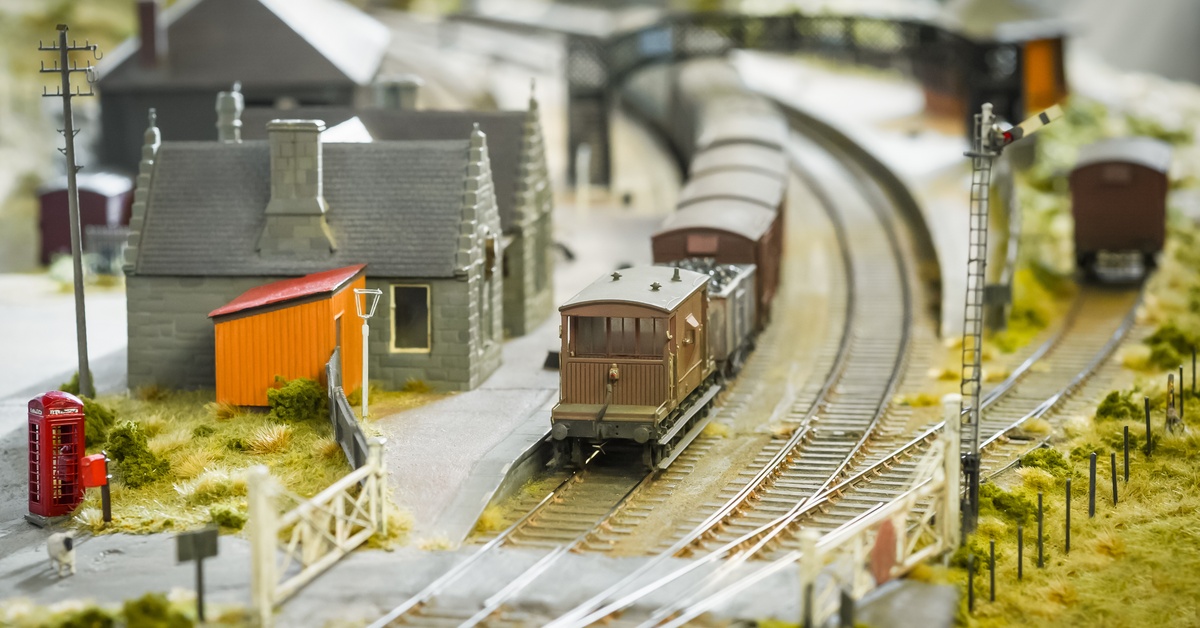
Starting a large G-scale train layout? Our guide covers the essential tools you'll need for track work, wiring, scenery, and model maintenance.
by Theodore Hust • January 12, 2026
Starting a new hobby is always exciting, and model railroading offers a unique blend of creativity, engineering, and nostalgia. As you begin your journey, having the right tools on hand will make building and maintaining your layout a smooth and enjoyable process. We've put together a list of essential items that every G-scale enthusiast should have in their workshop.
This collection of tools will help you handle everything from basic setup and track cleaning to more detailed customization and repairs. Think of these as your foundational toolkit, ready to support you as your skills grow and your railway empire expands. Let's get you set up for success from the very beginning.
Tools For G-Scale Track Installation
Proper track installation is the foundation of a reliable G-scale layout. A level and well-connected track ensures your trains run smoothly without derailing. A small torpedo level is perfect for checking that your track sections, including straight and curved train tracks, are perfectly flat. Use rail joiners to connect track pieces securely and employ a rail bender if you need to create custom curves that fit your specific layout design. A rubber mallet is also handy for gently tapping track sections into place without causing damage.
Tools For G-Scale Electrical Wiring
A dependable electrical system powers your entire railway. For this, you will need a few key tools to manage wiring safely and effectively. A good pair of wire strippers will help you cleanly remove insulation from wires without damaging the copper strands inside. You will also want a reliable soldering iron and solder to create strong, permanent connections for track power feeders and accessories. A multimeter is another important tool; it helps you test for continuity, check voltage levels, and troubleshoot any electrical issues that may arise.
Tools For Scenery Building
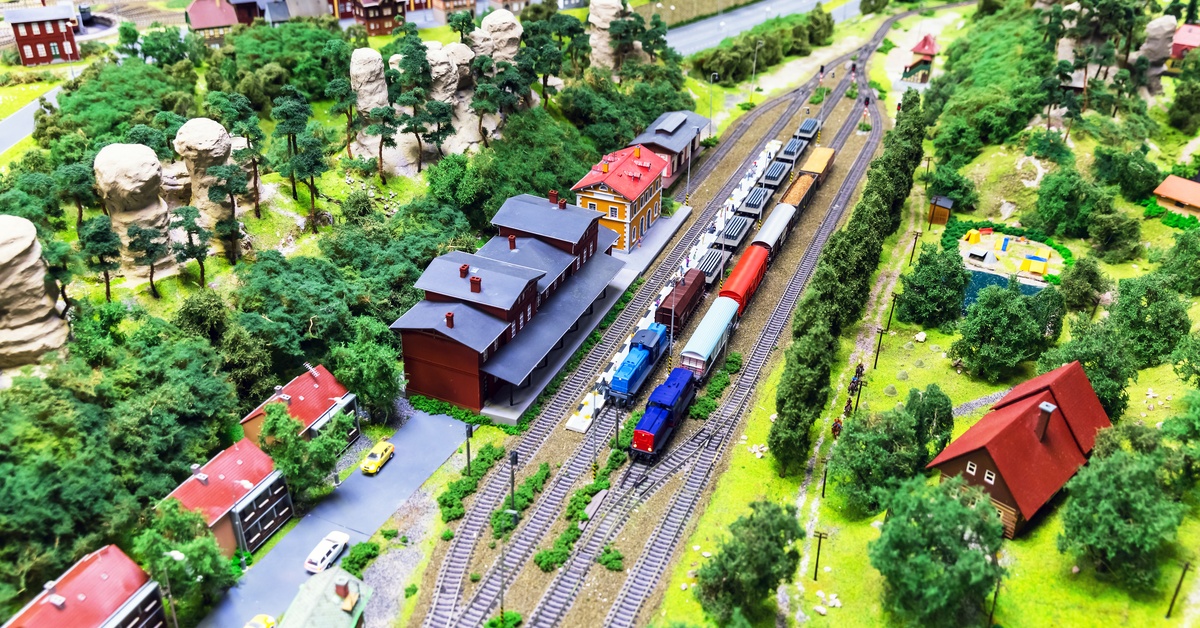
Bringing your landscape to life is one of the most creative parts of the hobby. To build realistic scenery, you will need tools that allow you to shape and sculpt materials with precision. A hot wire foam cutter is invaluable for carving foam insulation boards into hills, mountains, and other terrain features. A variety of hobby knives with different blade shapes will allow for detailed cutting and trimming. To apply flock, turf, and other ground cover, use a static grass applicator, which makes the fibers stand upright for a more realistic appearance.
G-Scale Model Maintenance
Keeping your locomotives and rolling stock in top condition helps them run beautifully for years to come. A set of precision screwdrivers, including both Phillips and flathead types, is necessary for accessing internal components. You will also need specialized lubricants and oils designed for model trains to keep gears and moving parts operating smoothly. A soft-bristle brush and a can of compressed air are perfect for gently cleaning dust and debris from delicate model surfaces without causing harm.
Tools For Track Cleaning
Clean tracks are vital for good electrical conductivity and smooth train operation. Over time, rails can accumulate dirt and oxidation, which interferes with the electrical connection between the track and the wheels. A track cleaning block, which has a mildly abrasive surface, is excellent for removing this buildup. For a deeper clean, you can use a soft cloth lightly dampened with isopropyl alcohol. There are also specialized track cleaning cars that you can run with your train to maintain the rails as part of your regular operations.
Model Assembly
Many G-scale models come as kits that require assembly. Having the right tools makes this process much more enjoyable and results in a better-finished product. A pair of sprue cutters, or nippers, is a key tool for cleanly removing parts from their plastic frames. You will also want a set of small files and sanding sticks to smooth out any rough edges left behind. To join parts together, use a quality plastic cement that creates a strong, permanent bond.
Tools For G-Scale Painting And Weathering
Painting and weathering add incredible realism to your models, making them look like they have been hard at work on the railway. An airbrush is a fantastic tool for applying smooth, even coats of paint, and it is especially useful for creating subtle weathering effects like dust and grime. You will also want a collection of fine-tipped paintbrushes for hand-painting small details. A variety of acrylic or enamel paints, along with weathering powders and washes, will give you everything you need to bring your models to life.
Tools For Digital Command Control (DCC)
If you decide to run your layout using DCC, a few specific tools will make setup and troubleshooting much easier. A DCC system typically includes a command station and throttles, but you will also need a dedicated programming track. This isolated section of track allows you to safely program decoders in your locomotives without affecting other trains on the layout. A device like the SPROG II is also very helpful, as it provides a user-friendly interface for programming decoders on your computer.
Workbench Setup
A well-organized workbench is your command center for all model railroading projects. A comfortable chair and good lighting are non-negotiable, as you will be spending many happy hours here. A cutting mat protects your work surface and provides a safe place for using hobby knives. You should also have a set of helping hands, which is a small stand with alligator clips, to hold small parts steady while you work on them. A small bench vise is also useful for holding larger items securely.
G-Scale Storage
Proper storage keeps your tools, supplies, and models organized and protected. Small parts organizers with multiple drawers are perfect for storing tiny components like screws, couplers, and detail parts. Tool chests or rolling carts can keep your hand tools accessible and tidy. For your locomotives and rolling stock, consider using dedicated storage cases or display shelves to protect them from dust and damage when they are not on the layout.
Here is a quick list of must-have starter tools:
- A set of precision screwdrivers
- Wire strippers and a soldering iron
- A multimeter
- Hobby knives and a cutting mat
- A track cleaning block
- A rubber mallet
Build Your Dream Layout
Starting your modeling journey is an exciting adventure, and having these essential tools for G-Scale trains will empower you to build, maintain, and customize your layout with confidence. As your skills develop, you may find yourself adding more specialized tools to your collection, but this core set will serve you well for years to come.